|
Over the last ten or so years, L'Oréal has brought a taste of beauty tech to the masses at CES 2026. This time, it has three devices to show off: the "Light Straight Multi-styler" as well as the helpfully named LED Face Mask and LED Eye Mask.
Don't let the unassuming names mislead you. These three products actually harbor some unique traits. The Light Straight (and multi-styler, which I'm going to just call the Light Straight from here on), for instance, uses infrared light to help generate the heat required to style your hair. Meanwhile, the LED Face Mask is different from those made by companies like Dr. Dennis Gross, Omnilux, Therabody and Shark. Instead of fairly hard shells that sit rigidly on your face, L'Oréal's version looks to be pliable and thin.
I haven't seen this in person yet, though I do intend to do so as soon as possible, but the pictures of the LED Eye Mask look, and I mean this in the best way, ridonkulous. Not only do they appear supple, but they also seem to be transparent, with bulbs and wires you can see inside. In some of the images that the company provided, the masks are com
| RELATED ARTICLES | | |
|
Samsung announced its newest portable projector ahead of its First Look showcase at CES 2026, but you might have been a little confused as to what's changed. The company says the Freestyle is nearly twice as bright as the 2022 Freestyle projector, rated at 230 ISO lumens, which was pretty underwhelming. The new Freestyle can output at 430 ISO lumens. If this is the first you're hearing of ISO Lumens, it's an internationally standardized rating for projectors, intended to standardize manufacturers' claims of brightness.
It still looks very similar to its predecessors, with 160 degrees of rotation that makes it easy to set up in most homes, Airbnbs or meeting rooms. Samsung added support for Q-Symphony, allowing you to connect it to the company's soundbars, if you conveniently have one nearby. While the sound quality of its built-in speaker was hard to test in the middle of a post-keynote trade show floor, you'll probably want to augment the built-in speaker, if only because it's so small.
Vision AI, mentioned several times during Samsung's CES keynote, is also built into the portable projector. You can summon Bixby to adjust settings and whatever you're watching. Based on the demos I saw, you'll need to speak into the remote to access Bixby.
Other improvements bring the projector into 2026, with keystone correction and focus. The Freestyle 's AI OptiScreen can calibrate projections to different wall surfaces and colors to improve visibility even on your most vivid walls.
|
|
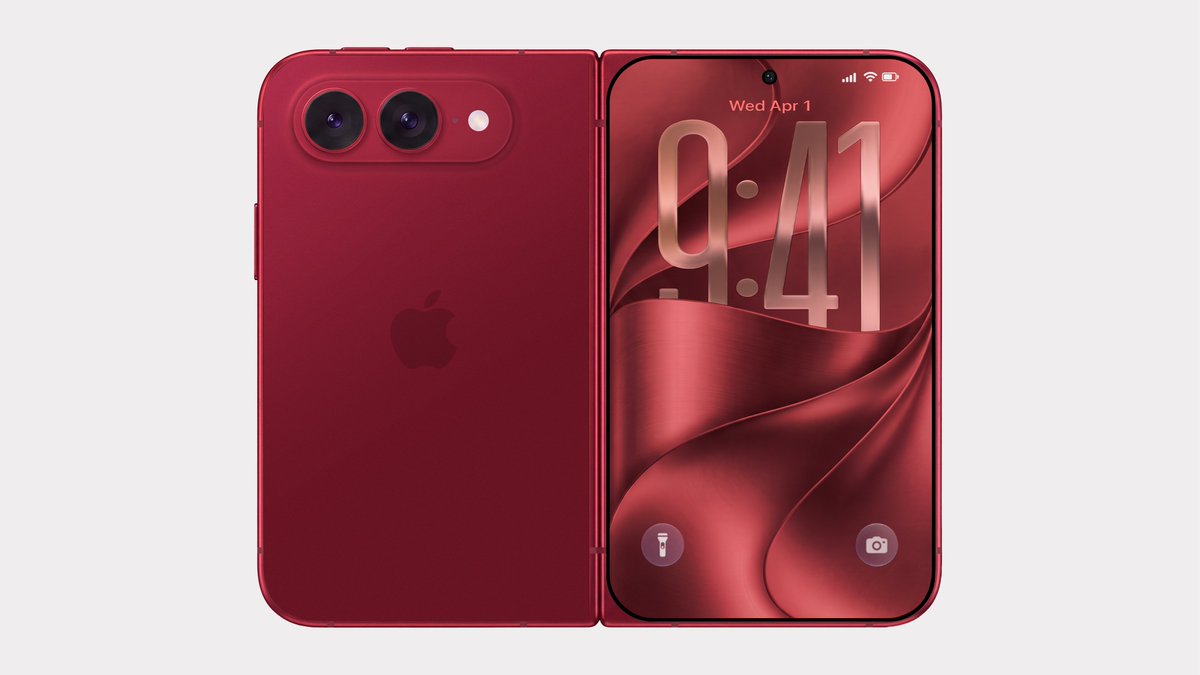
Forget foldables, this might just be the most unconventional phone design I've seen in years.
|
|
Smart locks have a notable inconvenience: running out of power. Lockin, maker of vein-recognition locks, debuted its newest model on the CES floor. It charges wirelessly via an optical infrared beam with a four-meter range. A small device, connected to a standard outlet inside the house, shoots a beam at the lock, which has a small receptor panel that turns the light into power, sort of like a plug-in sun beaming at a tiny solar array. The tech carries certifications from two independent organizations, and won't harm eyeballs or bodies that get in the way of the beam (though if the beam is interrupted, charging stops).
The lock itself is a mortise lock that will likely require a pro to install, as it's not just a standard deadbolt replacer. It's not a standard lock in other ways too, with video and speaker capabilites, AI recognition as well as touchscreen features and vein recognition.
The tall black rectangle looked sleek (if huge) in person with a pocket-style grip and a rather sizable display on the interior panel. The outer panel has a touchscreen along with two cameras allowing it to act as a doorbell video camera. You can unlock the door via palm, finger vein or 3D facial recognition.
Lockin V7 Max smart lockLockinIt'll feed the video to any of the major smart home eco systems, including those from Google, Apple, Amazon and Samsung. But for general setup and advanced AI features, such as recognizing a package delivery and speaking a canned request to the driver, you'd use Lockin's own app.
I can't imagine this high-end do-everything lock will be cheap, and
|
|
LG usually announces its CES TV lineup well ahead of the show, but this year the company had a surprise at CES 2026: The return of its ultra-thin "Wallpaper" TV. Now it's toting a gorgeous OLED screen and wireless connectivity, and it's about as thin as a pencil. We got a chance to check out the Wallpaper TV in action during a CES preview event, as well as the previously announced Gallery and Micro RGB sets. LG still has its typically OLED and LED sets around, but it's clear that 2026 will be filled with intriguing TVs for a variety of consumers.
LG's 2026 Wallpaper OLED TVDevindra Hardawar for EngadgetThe Wallpaper TV (LG W6)If money were no object, I'd want a 100-inch LG Wallpaper TV in my family room immediately. It looks shockingly thin in person — almost as if it's some sort of sci-fi prop — and it delivers the rich colors and dark levels we expect from OLED. Cable management is also a cinch, since it requires just a single power cable. The A/V inputs are handled by LG's One Connect box, which you can position wirelessly up to 10 meters away from the TV.
|
|
It's hard to argue with a lower price and better specs.
|
|
There are a slew of keyboards and apps that help people learn how to play the piano, but a small company called PopuMusic is showing off an intriguing set of products at CES to make the process easier. PartyKeys and PartyStudio are a 36-key MIDI keyboard and MIDI / Bluetooth speaker that pair together in seamless fashion. The PartyStudio is particularly interesting because it has a built-in library of 128 instrument tones and more than 50 different drum machine patterns. Naturally, it works with the PartyKeys, but any MIDI keyboard can connect to it and use those sounds.
The PartyStudio and PartyKeys both use NFC to connect to each other — you can just tap and hold the keyboard up to the speaker for pairing. You can connect up to three devices using MIDI over Bluetooth Low-Energy (BLE MIDI) as well as a fourth using a wired connection. If you have more than one keyboard, meanwhile, you can connect them together with NFC as well — you can pair three keyboards together total, giving you a huge 108-key surface to play.
Both the PartyStudio and PartyKeys have an understated but appealing look to them (they're available in black or white) and feel quite substantial and well-made. PopuMusic has been releasing hardware via Kickstarters campaigns for a few years now, so even though they're a relatively small and new company they have some experience in this department. The speaker seems to hit a nice balance of portability and power; it has two tweeters and two woofers and weighs in at 3.75 pounds. It's about 13.5 inches wide, 5.2 inches tall and 4 inches deep, so it's not a tiny speaker you'll just throw in your bag, but it still feels easy to tote around thanks to its attached handle.
The other trick that the PartyStudio and PartyKeys have is on the software side. Using a companion app, multiple people can play along with a song. The light-up keyboard can show you what to play, and if you have multiple people playing each keyboard can display compli
|
|