|
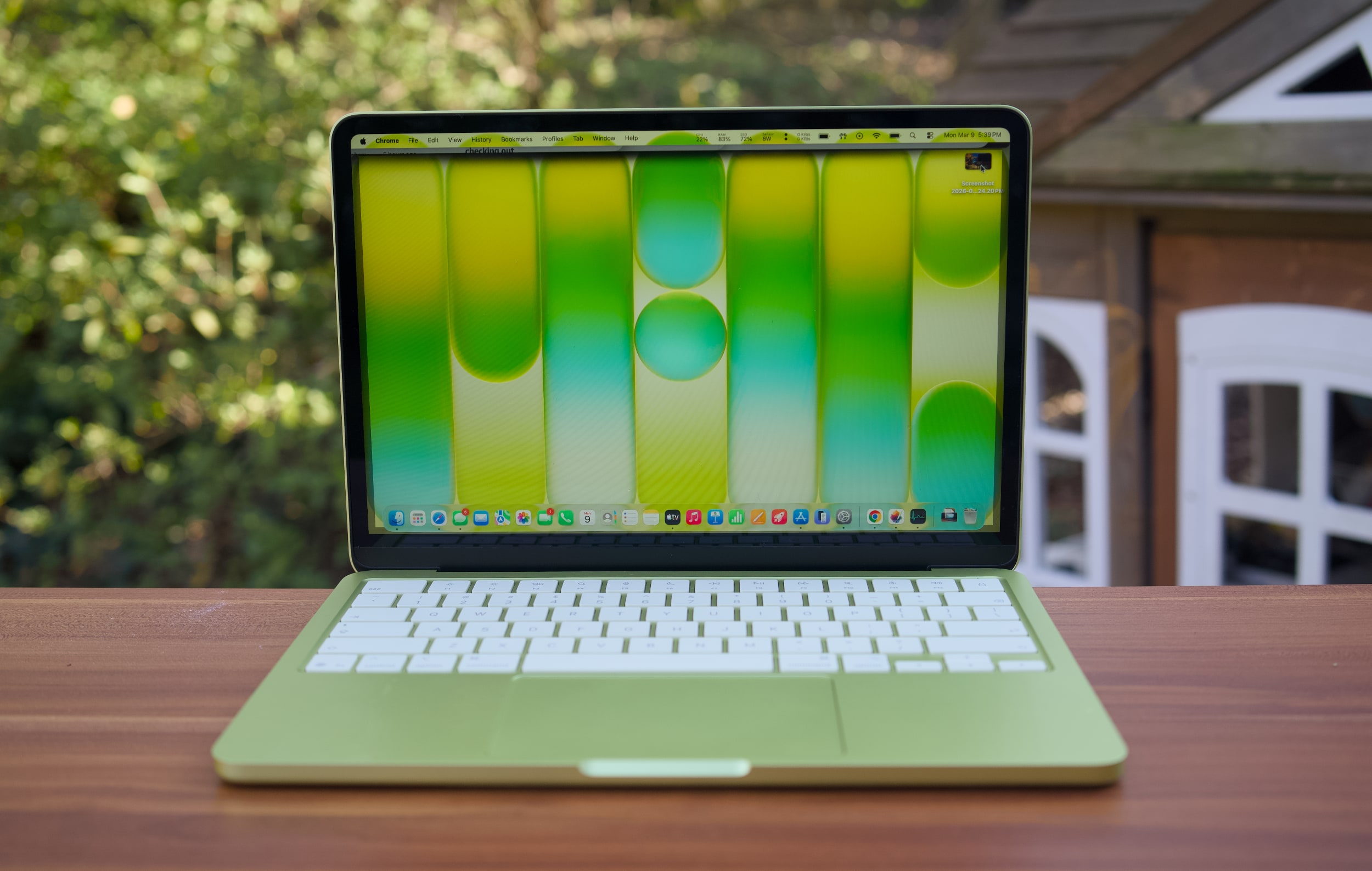 John Ternus was unavoidable when Apple debuted the Macbook Neo. He kicked off an intimate media event for the Neo, introducing it as a transformative machine for Apple thanks to its low $599 cost ($499 for education customers) and premium build quality. He was interviewed on Good Morning America, the sort of prominent media feature CEO Tim Cook typically handles. And when I asked Apple workers about the Neo at its launch event, they almost always brought up Ternus' vision of the laptop. John Ternus was unavoidable when Apple debuted the Macbook Neo. He kicked off an intimate media event for the Neo, introducing it as a transformative machine for Apple thanks to its low $599 cost ($499 for education customers) and premium build quality. He was interviewed on Good Morning America, the sort of prominent media feature CEO Tim Cook typically handles. And when I asked Apple workers about the Neo at its launch event, they almost always brought up Ternus' vision of the laptop.
For all intents and purposes, Tetanus was Apple's frontman for the MacBook Neo.
Ternus is slated for his coronation as Apple's CEO on September 1, and the Neo is not only a feather in his cap, but a likely indication of the company's approach to products going forward. It's a sign that Apple is getting more comfortable taking risks.
Apple lives and dies on its own premium image. It completely gave up on making cheap iPhones like the SE and 5C, and the $599 iPhone 16e and 17e are more expensive than typical mid-range Android phones (though the $249 Apple Watch SE is admittedly one of the cheaper smartwatches around.). It was risky to shove a mobile processor into a full-fledged computer, which could have made it too weak. And it was a gamble to stick with a meager 8GB of RAM, practically sacrilegious within the Apple pantheon. It's not breaking new ground for product categories, but the Neo, in being a budget laptop at all, is surprisingly un-Apple.
A c
|
|
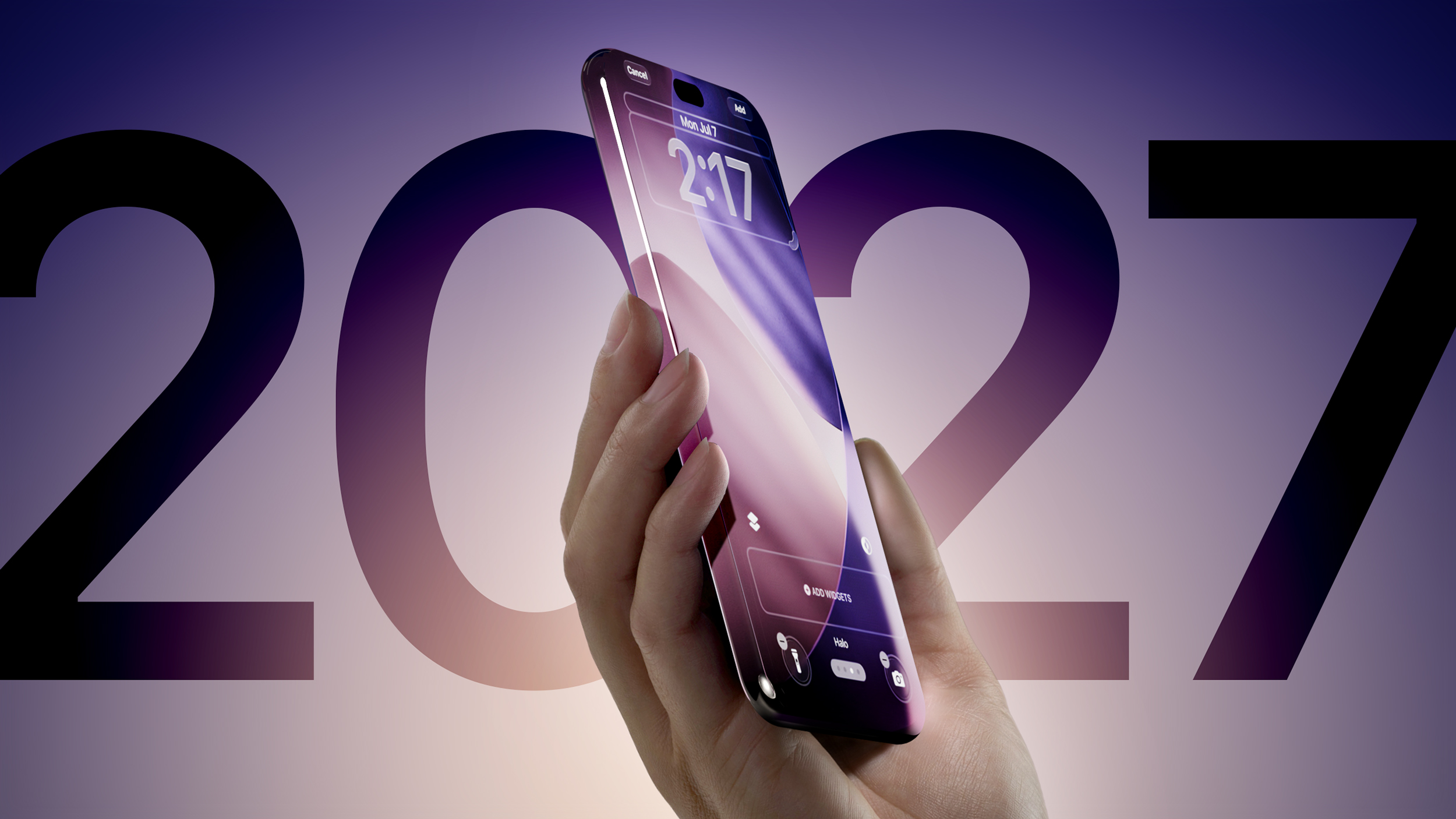 For its 20th-anniversary iPhone, Apple is tapping Samsung to produce a custom micro-curved OLED display that is brighter and thinner than existing panels, according to new supply chain information out of China. For its 20th-anniversary iPhone, Apple is tapping Samsung to produce a custom micro-curved OLED display that is brighter and thinner than existing panels, according to new supply chain information out of China.
|
|
I'm a YouTube TV subscriber, so I tried testing out the new feature. Here's what happened.
|
|
We'll do all the work hunting the internet for the best deals on popular items so you can add them right to your cart.
|
|
Perhaps Steve Jobs was right to limit the amount of time he let his children use iPhones and iPads — a tradition Apple maintains with its Screen Time tool, which lets parents set limits on device use. Now, an extensive UNESCO report suggests that letting kids spend too much time on these devices can be bad for them.
Baked in inequality and lack of social skills
That's the headline claim, but there's a lot more to the report in terms of exploring data privacy, misuse of tech, and failed digital transformation experiments.
To read this article in full, please click here
|
|