|
 Apple is readying new iMac models with an upgraded chip and new color options, according to Bloomberg's Mark Gurman. Apple is readying new iMac models with an upgraded chip and new color options, according to Bloomberg's Mark Gurman.
|
|
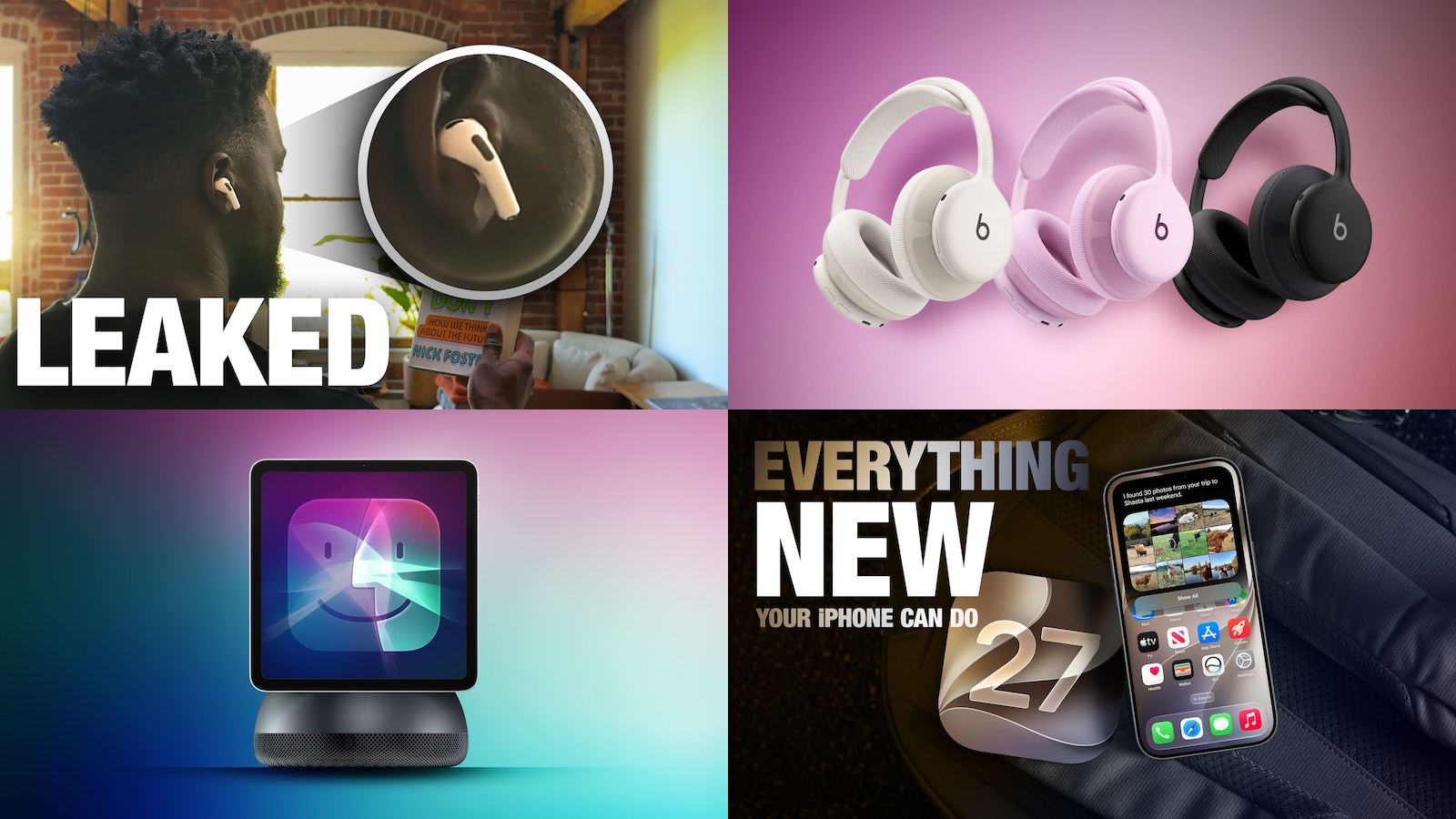 It was a big week for leaks in the Apple world, with Apple itself revealing information on a bunch of upcoming products within a macOS Tahoe 26.7 build and retailers leaking details on new Beats 360 headphones that could be launching soon. It was a big week for leaks in the Apple world, with Apple itself revealing information on a bunch of upcoming products within a macOS Tahoe 26.7 build and retailers leaking details on new Beats 360 headphones that could be launching soon.
|
|
Even old Apple devices you haven't touched in years could still get you some credit towards a new phone.
|
RELATED ARTICLES | | | | |
|
A new report puts a spotlight on the aftermath of one of the biggest leaks Paramount has faced in years.
|
|
There's really only one problem: my laptop is too old for a Windows 11 update. On October 14th, 2025, Windows 10 will reach the end of its life period, which means no new features or security updates. The former is not a big problem. The latter will be a disaster.
I'm not alone in this situation. Over 50 percent of users are still running Windows 10, and this figure is gradually dropping. How many will have updated in six months' time is anyone's guess, but whatever the percentage, one thing is clear. A large proportion of the world's 1.6 billion Windows PCs will still be running Windows 10 on October 14th, 2025.
What makes this challenging is that Windows 11 is so technically demanding that it's not possible to update all fully functional computers. Sadly, my six-year-old laptop is one of them.
If Microsoft stops updating Windows 10, it wo
|
|