|
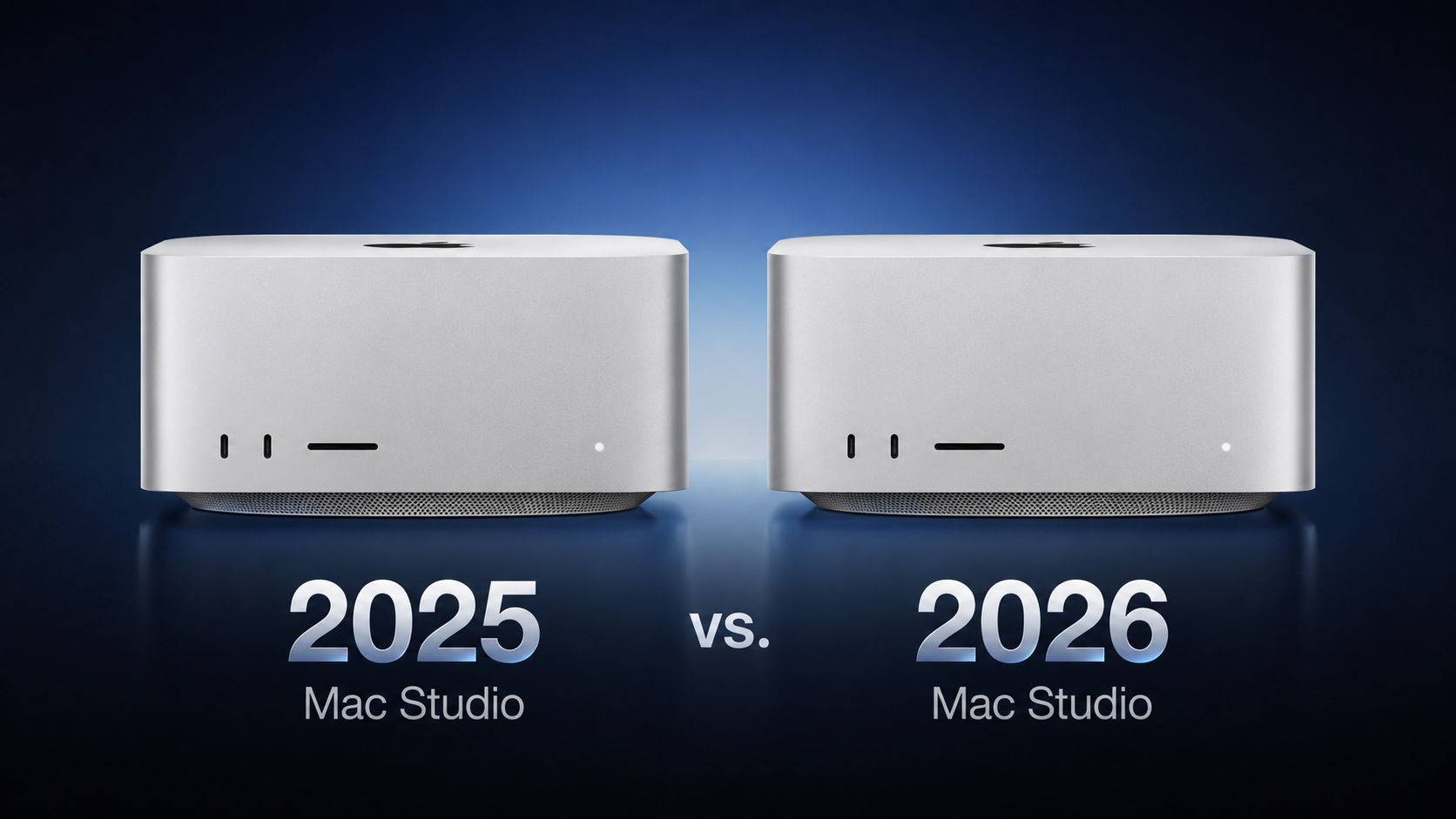 Apple this week announced a new Mac Studio with the M5 Max and M5 Ultra chips, discontinuing the M4 Max and M3 Ultra models that had been on sale since March 2025. Apple this week announced a new Mac Studio with the M5 Max and M5 Ultra chips, discontinuing the M4 Max and M3 Ultra models that had been on sale since March 2025.
|
|
NEW RESOURCES The Register: Browser fingerprint tool shows how easy you are to track using the latest sneaky tricks. "Unlike some other available tools that do the same, Glassbox provides a whole […]
|
|
OpenAI is adding a new safety capability that allows enterprises to detect misuse of its AI systems across multiple interactions without retaining prompts or responses, enabling risk monitoring while preserving its Zero Data Retention (ZDR) commitments.
"OpenAI does not retain…prompts or model responses after a request is processed," the company said in a blog post, describing its ZDR approach. The new system, called Private Safety Processing, is "designed to identify patterns across related interactions without giving OpenAI personnel access to the underlying content."
The capability is being tested with eligible enterprise and API customers and is intended to address a limitation in existing safety controls that evaluate interactions individually, making it harder to detect risks that unfold over time.
What does Private Safety Processing do
Private Safety Processing is designed to extend existing safety systems by correlating activity across related interactions rather than analyzing each prompt in isolation, according to OpenAI.
Under the model, automated systems analyze interactions and generate "a narrowly defined signal indicating the type of activity involved," instead of exposing the underlying prompts or responses, according to OpenAI.
The system can o
|
|
The new Google Pixel 11 Pro XL doesn't dramatically reinvent the company's flagship smartphone formula. From a hardware perspective, this year's model represents an incremental update. But after spending time with Google's latest full-featured Pixel, I've found that some of its most meaningful improvements for business users aren't necessarily the things that stand out on a spec sheet or benchmark chart.
Starting at $1,299 with 256GB of storage, the Pixel 11 Pro XL features a 6.8-in. Super Actua LTPO OLED display, Google's new Tensor G6 processor, a 5115mAh battery and an updated triple-camera system. Google also pledges seven years of operating system, Android security and Pixel Drop updates.
The hardware is very good, but Google's deeper integration of Gemini with Android and other thoughtful software features are what make this device more interesting.
Tensor G6 performance: The numbers don't tell the whole story
Google's Tensor processors have never been benchmark chart-toppers, and the Tensor G6 doesn't change that. In Geekbench 6, the Pixel 11 Pro XL scored 2,736 single-core and 7,399 multi-core numbers. That's a healthy improvement over the Pixel 10 Pro XL's 2,326 and 6,413, respectively, but well behind devices like Samsung's Galaxy S26 Ultra (at 3,683 and 11,243) powered by Qualcomm's latest SoCs.
|
|