|
Google adds pay-as-you-go pricing to Gemini Enterprise, giving businesses more flexibility while introducing new cost controls and discounts.
|
|
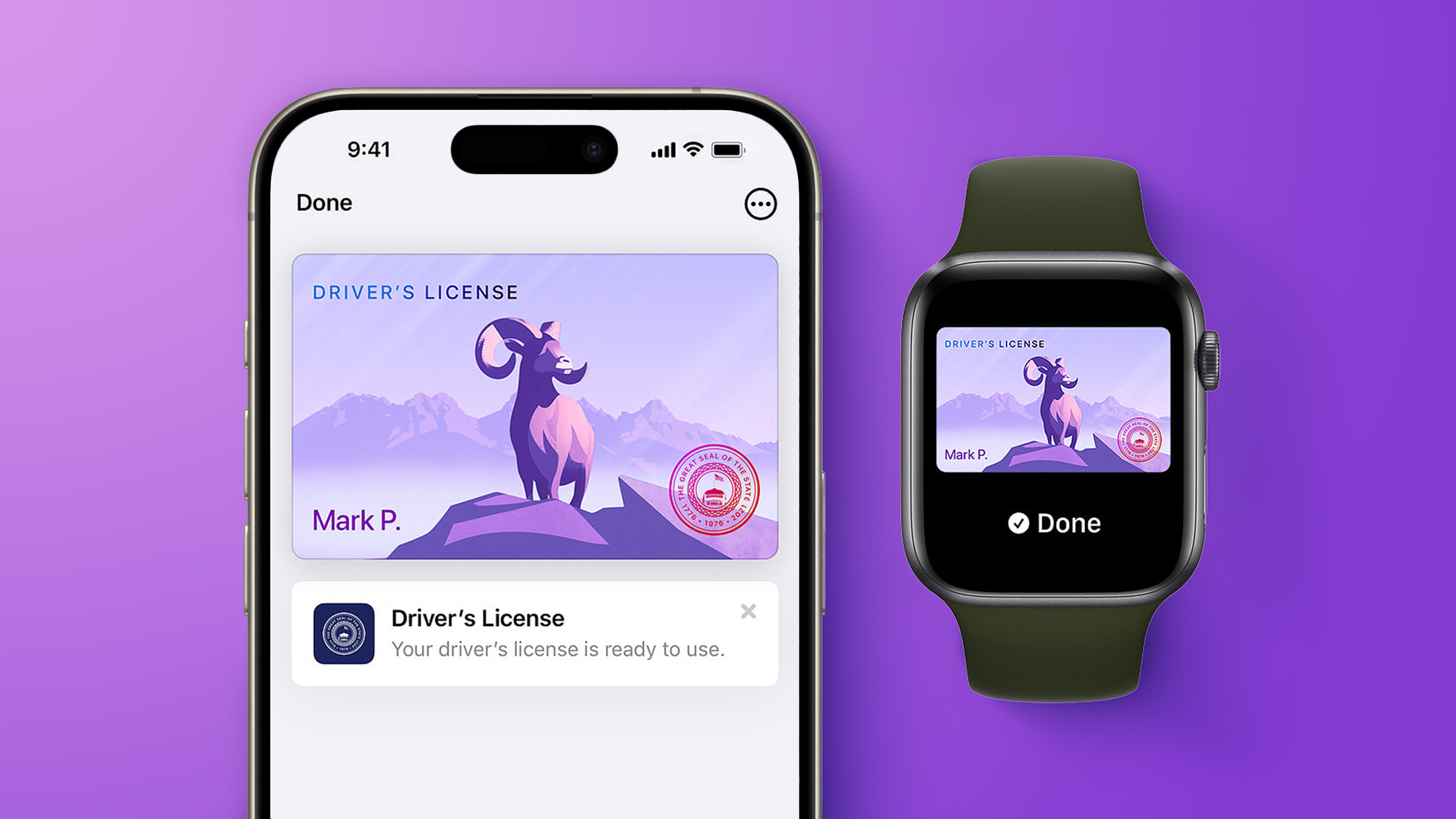 Starting today, Virginia residents can add a digital version of their driver's license to the Apple Wallet app on the iPhone and Apple Watch. The digital ID can be used to display proof of identity or age at TSA checkpoints in select airports, at select businesses, and in select apps, but the number of places where it is accepted is still quite limited. Starting today, Virginia residents can add a digital version of their driver's license to the Apple Wallet app on the iPhone and Apple Watch. The digital ID can be used to display proof of identity or age at TSA checkpoints in select airports, at select businesses, and in select apps, but the number of places where it is accepted is still quite limited.
|
|
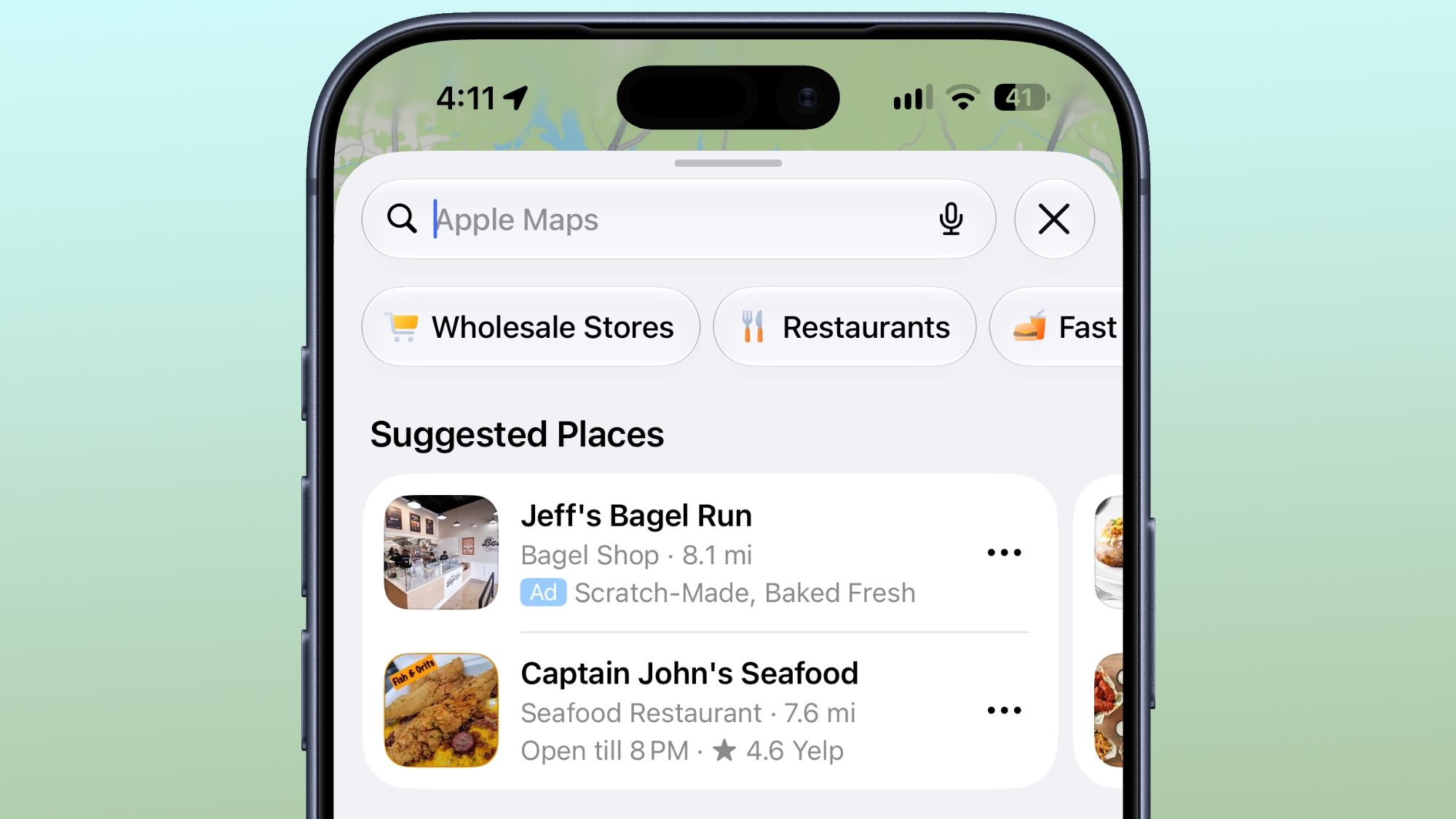 Ads in Apple Maps are live in the United States and Canada, which means iPhone and iPad users will see them when searching for locations and when viewing Suggested Places. Ads in Apple Maps are live in the United States and Canada, which means iPhone and iPad users will see them when searching for locations and when viewing Suggested Places.
|
|
The new Google Pixel 11 Pro XL doesn't dramatically reinvent the company's flagship smartphone formula. From a hardware perspective, this year's model represents an incremental update. But after spending time with Google's latest full-featured Pixel, I've found that some of its most meaningful improvements for business users aren't necessarily the things that stand out on a spec sheet or benchmark chart.
Starting at $1,299 with 256GB of storage, the Pixel 11 Pro XL features a 6.8-in. Super Actua LTPO OLED display, Google's new Tensor G6 processor, a 5115mAh battery and an updated triple-camera system. Google also pledges seven years of operating system, Android security and Pixel Drop updates.
The hardware is very good, but Google's deeper integration of Gemini with Android and other thoughtful software features are what make this device more interesting.
Tensor G6 performance: The numbers don't tell the whole story
Google's Tensor processors have never been benchmark chart-toppers, and the Tensor G6 doesn't change that. In Geekbench 6, the Pixel 11 Pro XL scored 2,736 single-core and 7,399 multi-core numbers. That's a healthy improvement over the Pixel 10 Pro XL's 2,326 and 6,413, respectively, but well behind devices like Samsung's Galaxy S26 Ultra (at 3,683 and 11,243) powered by Qualcomm's latest SoCs.
|
|

In this article, we explore the top 10 AI tools that are
driving innovation and efficiency in various industries. These tools are
designed to automate repetitive tasks, improve workflow, and increase
productivity. The tools included in our list are some of the most advanced and
widely used in the market, and are suitable for a variety of applications. Some
of the tools focus on natural language processing, such as ChatGPT and
Grammarly, while others focus on image and video generation, such as DALL-E and
Lumen5. Other tools such as OpenAI Codex, Tabnine, Canva, Jasper AI,, and
Surfer SEO are designed to help with specific tasks such as code understanding content
writing and website optimization. This
list is a great starting point for anyone looking to explore the po
|
|